Marlin Clark

Marlin Clark

Marlin Clark smiling on a balcony above the sea

Visual content for travel, cropped and delivered for every screen it lands on.

For eight years I led visual content strategy at Rhino Africa in Cape Town. I photograph the places I travel to and build Resiqo, a tool for renaming and resizing images in batches.

Open to new roles and projects from December 2026.

Read the Cape Town storyView my resume

Photography

Wildlife, coastline and the light at either end of the day. Over 90 photos on Unsplash and 4.3 million views on Pexels.

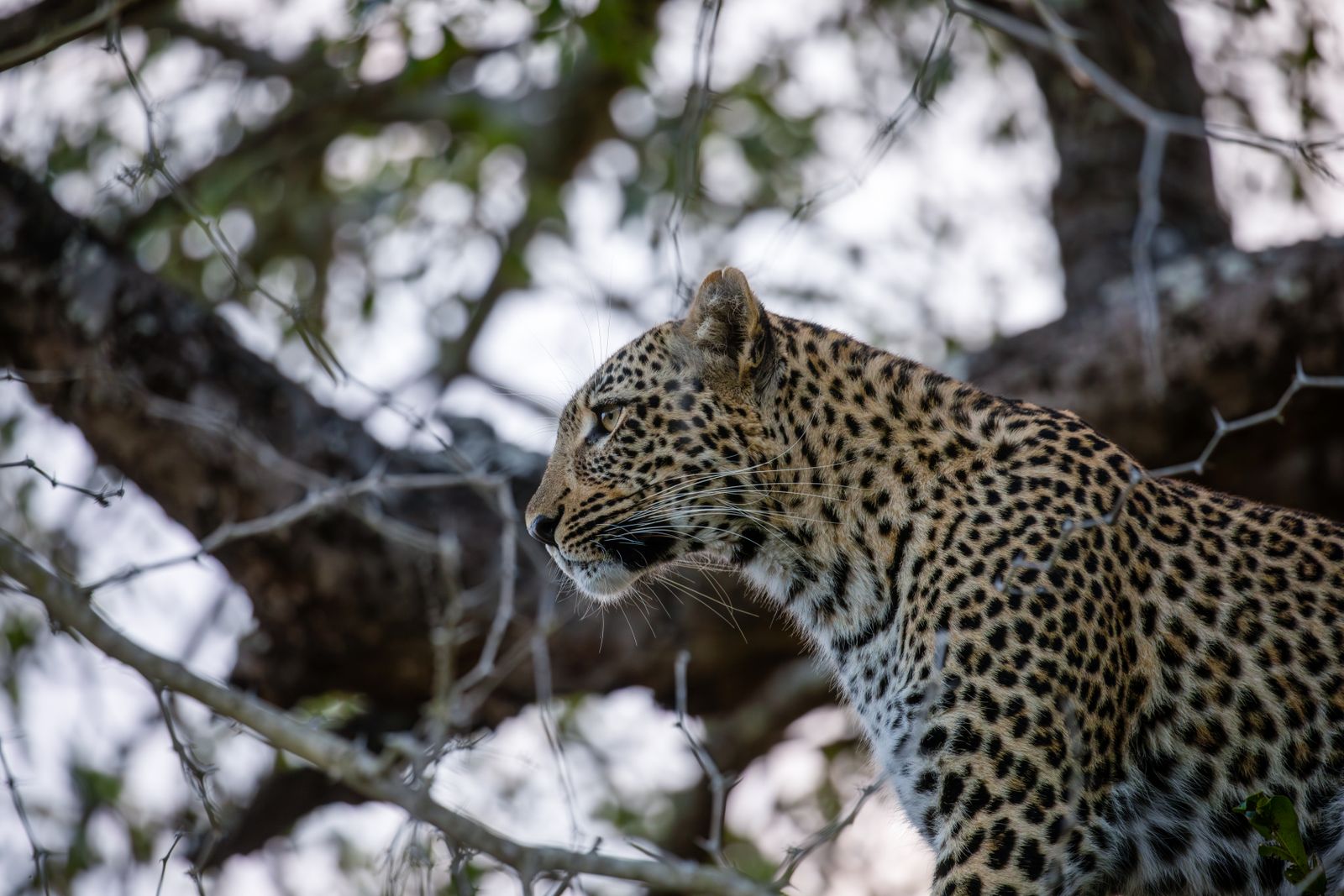
Leopard in a tree, observing its surroundings
Leopard on safariSouth Africa
A rhino standing in grass
RhinoSouth Africa
A humpback whale's tail splashing in blue water
Whale watchingGansbaai
Sunrise over Umhlanga Pier with waves
Dawn at the pierUmhlanga, KwaZulu-Natal
A lion lying in tall grass
Lion in the long grassSouth Africa
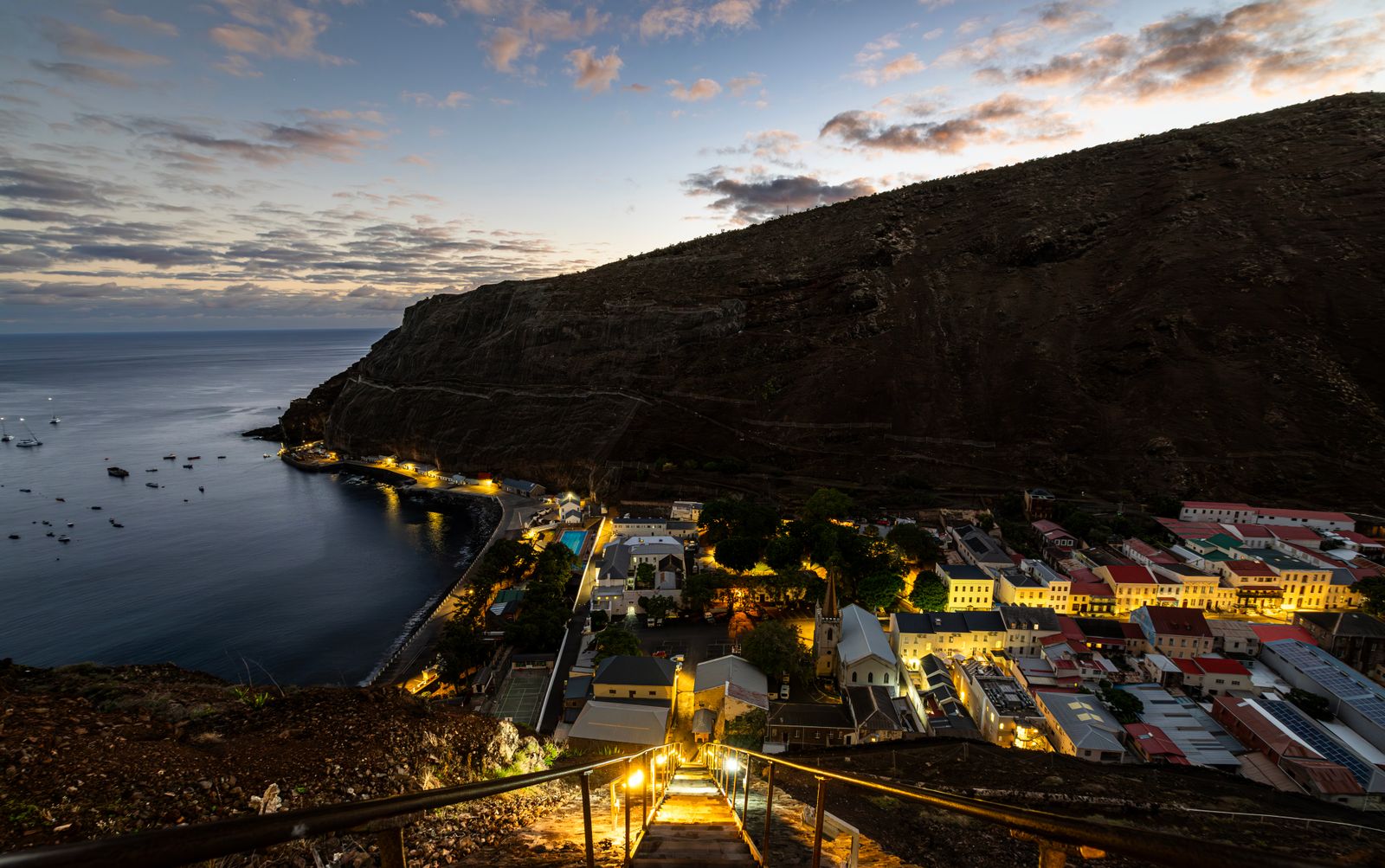
Sunset over Jamestown, Saint Helena
Jamestown at sunsetSaint Helena
Boats in the V&A Waterfront harbour with Table Mountain behind
V&A WaterfrontCape Town

More on UnsplashMore on Pexels

Photo essays

Destination stories in pictures, written for the Rhino Africa blog.

New story, on this siteCape Town is hiding something most South Africans never noticeA buried beach, rivers under the streets and a two-hundred-year-old bang at noon.Read the story
  1. Oct 2026Tanda Tula in Pictures: The Reimagined Heart of the Greater Kruger
  2. Aug 2026Botswana in Pictures: A Land of Fascinating Contrasts
  3. Jun 2026Tanzania in Pictures: Untamed Safari Circuits and Tropical Escapes
  4. May 2026Most Beautiful Pictures of Rwanda to Inspire Your Travels
  5. Apr 202618 Photos That Will Make You Want to Visit Namibia
  6. Aug 2025The Serengeti in Pictures: Why You'll Love It

All articles on the Rhino Africa blog

Resiqo

The tool I wanted after every shoot. Resiqo renames and resizes images in batches, so a camera dump becomes clean, descriptive, correctly sized files.

I designed and built it using Claude Code. I also write the articles on its Insight blog.

Visit resiqo.app
BeforeAfter
IMG_4821.JPGtokruger-lodge-sunset.jpg
IMG_4822.JPGtokruger-lodge-deck.jpg
DSC_0097.JPGtoelephant-herd-river.jpg
DSC_0102.JPGtoguide-game-drive.jpg

About

Marlin Clark crouching in long grass with a telephoto camera

Born in Johannesburg, raised in Cape Town since I was five. It started with Lego: colours, shapes, and the urge to make things fit. That grew into a career in design, and the old Lego bricks now hold the pens on my desk.

From 2018 to 2026 I led visual content strategy at Rhino Africa, using creative direction and user-centred design so that every visual, from photography to layout, made the booking journey easier to follow. I managed the digital asset library, ran image audits to keep the brand consistent, produced content that carried its identity and wrote photo essays for the Rhino Africa blog. Now I'm looking for my next role. Outside work I travel, study design, push my outdoor photography and drink a lot of coffee.

Rhino Africa
Visual Content Specialist, Marketing & Communications, 2018 to 2026
Resiqo
Founder, designer and builder
Unsplash, Pexels
Contributing photographer
  • Creative direction
  • Visual content strategy
  • User-centred design
  • Figma
  • Digital asset management
  • Image audits
  • Photography

Photo essays

Cape Town is hiding something most South Africans never notice

Its old coastline, its rivers and a two-hundred-year-old daily ritual are all still here. You just have to know where to look.

Photographs by Marlin Clark. About a six-minute read.

Storm clouds and a low sunset over Table Mountain, seen across the water
Table Mountain from across Table Bay, at the end of a stormy day.

Most of us know Cape Town by its postcard: the flat-topped mountain, the harbour, the light at either end of the day. I photograph this city for a living, and the longer I look, the more I notice what the postcard leaves out. Cape Town has quietly buried its beach, sent its rivers underground and kept a two-century-old habit going in plain sight. Here is where to find them.

Strand Street, City Centre

The beach on Strand Street

Strand is the Dutch and Afrikaans word for beach, and the name is no accident. Near the Castle of Good Hope, Strand Street once ran right along the edge of Table Bay. Before land reclamation began in the 1930s, the tide washed up against the Castle walls.

Then came the Foreshore. In the 1930s and 1940s, land was reclaimed from the bay alongside the building of the Duncan Dock, and the shoreline moved far out to sea. The old beach, the fishing harbour and the pier at the foot of Adderley Street disappeared. Cape Town Station and much of the city on the seaward side of Strand Street now stand on what used to be seabed.

Cape Town's shoreline, then and now A simplified map. Before the 1930s, Table Bay reached Strand Street and the Castle of Good Hope. Today, reclaimed land called the Foreshore and the harbour docks push the shoreline far out into the bay. Foreshore (reclaimed land) Docks Strand Street Castle of Good Hope Table Mountain Table Bay
Simplified illustration, not to scale. The dashed line is Strand Street, once the water's edge.

Next time you wait at a traffic light on Strand Street, you are standing roughly where the waves used to break.

Under the City Bowl

Rivers under your feet

Long before ships anchored in the bay, the Khoe called this place Camissa, usually translated as the place of sweet waters. Streams ran off Table Mountain, through the bowl and into the sea. Histories of the city's water describe four rivers and around 36 springs.

The water never left. It just went underground.

Early Cape Town was crossed by open canals, enough to earn it the nickname Little Amsterdam. As the city grew in the 1860s, the canals were covered over for health reasons and to make way for roads. The water still flows: brick tunnels roughly two to three metres wide carry mountain water beneath the city centre all year round, and most of it runs straight out to sea.

V&A Waterfront

A prince and a pile of rocks

Table Bay used to be a dangerous place to leave a ship. Winter storms in 1858 wrecked more than 30 vessels, and something had to change.

On 17 September 1860, Prince Alfred, Queen Victoria's 16-year-old second son, tipped the first load of stone for a new breakwater. Much of the heavy work that followed was done by convicts. The Alfred Basin was completed in 1870, the larger Victoria Basin followed as gold and diamonds brought more ships, and the two basins later gave the V&A Waterfront its name. Look past the shops and restaurants and the buildings of that working harbour are still standing.

Yachts moored in the V&A Waterfront harbour with Table Mountain behind
The harbour basins, with the mountain keeping watch.
A waterfront hotel and marina with moored yachts under a blue sky
Still water in the marina, where a working harbour once stood.

Lion Battery, Signal Hill

The bang at noon

If you have ever jumped at a boom over the city around lunchtime, that was the Noon Gun. A time signal has been fired since 1806, originally so ships in the bay could check their chronometers. The guns moved from town to the Lion Battery on Signal Hill in 1902, and since 1864 they have been triggered by a signal from the observatory's master clock.

They are often described as the oldest guns in daily use anywhere, and they fire every day except Sundays and public holidays. In January 2005, both the main gun and the backup failed to fire. It was the first time the signal had been missed in about 200 years.

Table Mountain

Older than it looks

The sandstone that gives the mountain its flat top was laid down between roughly 510 and 400 million years ago. For scale, the Himalayas only began to rise around 50 million years ago. Wind and rain have been wearing the mountain down ever since, and they still are, a few millimetres at a time.

Aerial view of Cape Town's Atlantic seaboard, the stadium and the city, with Table Mountain and Lion's Head behind
The whole story in one frame: city, sea and mountain, seen from above.

Look again

None of this is behind a fence. It is in a street name, under a manhole cover and in a boom across the City Bowl at midday. That is what I love about photographing this city: the second look is always better than the first.

More of my photographs on UnsplashBack to the portfolio

Sources

Resume

Marlin Clark, Visual Content Specialist & Photographer

marlinhebertclark@gmail.comCape Town, South AfricaEnglish and Afrikaans

Profile

A hard worker who goes the extra mile for clients, managers and colleagues, always with a smile. A problem-solver who adapts to what the business needs, a people person and a dependable team player.

Skills

  • Adobe Photoshop
  • Adobe Illustrator
  • Adobe Lightroom
  • Figma
  • Photography
  • HTML & SASS
  • Digital asset management

Passions

  • Travel
  • Outdoors
  • Photography
  • Music

Experience

Rhino AfricaAug 2018 to Nov 2026Visual Content Specialist & Photographer

Matched visual content to how people search for and consume travel online. Oversaw and optimised the storage and tagging of assets in the digital asset management system so visual content was used properly across the business. Ran site-wide image audits of service providers, destinations and tour pages.

ResiqoSide projectFounder, designer and builder

Designed and built a tool that renames and resizes images in batches.

Rhino AfricaNov 2015 to Jul 2018Front End Developer
24.comMay 2013 to Oct 2015Front End Developer
FirstView MediaJun 2012 to Apr 2013Front End Developer
Lima BeanMay 2009 to Apr 2012Designer & Front End Developer
MoodiaOct 2007 to Nov 2008Junior Web Designer

Education

Shaw Academy2017Diploma in Photography
Concept Interactive Institute2006 to 2007Digital Design Diploma
Princeton Secondary School2001 to 2005Senior Certificate

References

Available on request.

Have a story that needs pictures?

I'm open to new roles and projects from December 2026. Get in touch.